

Check out this article next

Color isn’t just decoration—it’s psychology. In real estate, the shades chosen for walls, cabinetry, and exterior finishes have a powerful influence on how buyers perceive a home. Color can make a space feel larger, warmer, calmer, brighter, or more luxurious. It can even shape whether buyers feel emotionally connected enough to make an offer.
Understanding color theory—and how it impacts buyer emotion—gives sellers a strategic advantage in attracting interest, increasing perceived value, and creating the kind of atmosphere that helps buyers envision themselves living in the home.
Here’s how color influences buyer behavior and how to use it effectively when preparing a property for the market.
Why Color Matters in Real Estate
When buyers tour a home, they’re not just evaluating features. They’re forming an emotional response. Color strongly affects mood, mental associations, and a buyer’s overall first impression. The right color palette reduces distractions, highlights architectural details, and creates a sense of harmony that helps buyers focus on the home—not on what needs to be changed.
Neutral Tones Still Lead the Market
Classic neutrals remain the top choice for market-ready homes because they make spaces feel clean, open, and easy to personalize. Popular neutrals that consistently appeal to buyers include:
- Soft whites
- Warm beiges
- Light greiges
- Subtle taupes
These shades allow light to flow easily through rooms, creating a sense of brightness and calm that buyers gravitate toward. Neutrals also photograph exceptionally well, which helps listings stand out online.
Warm Colors Create Comfort and Invitation
Warm tones such as muted golds, soft tans, and gentle clay shades evoke feelings of relaxation, comfort, and connection. These are ideal for:
- Living rooms
- Family spaces
- Dining areas
Warm colors can make a house feel lived-in and inviting—especially during colder months when buyers crave coziness and warmth.
Cool Shades Bring Freshness and Serenity
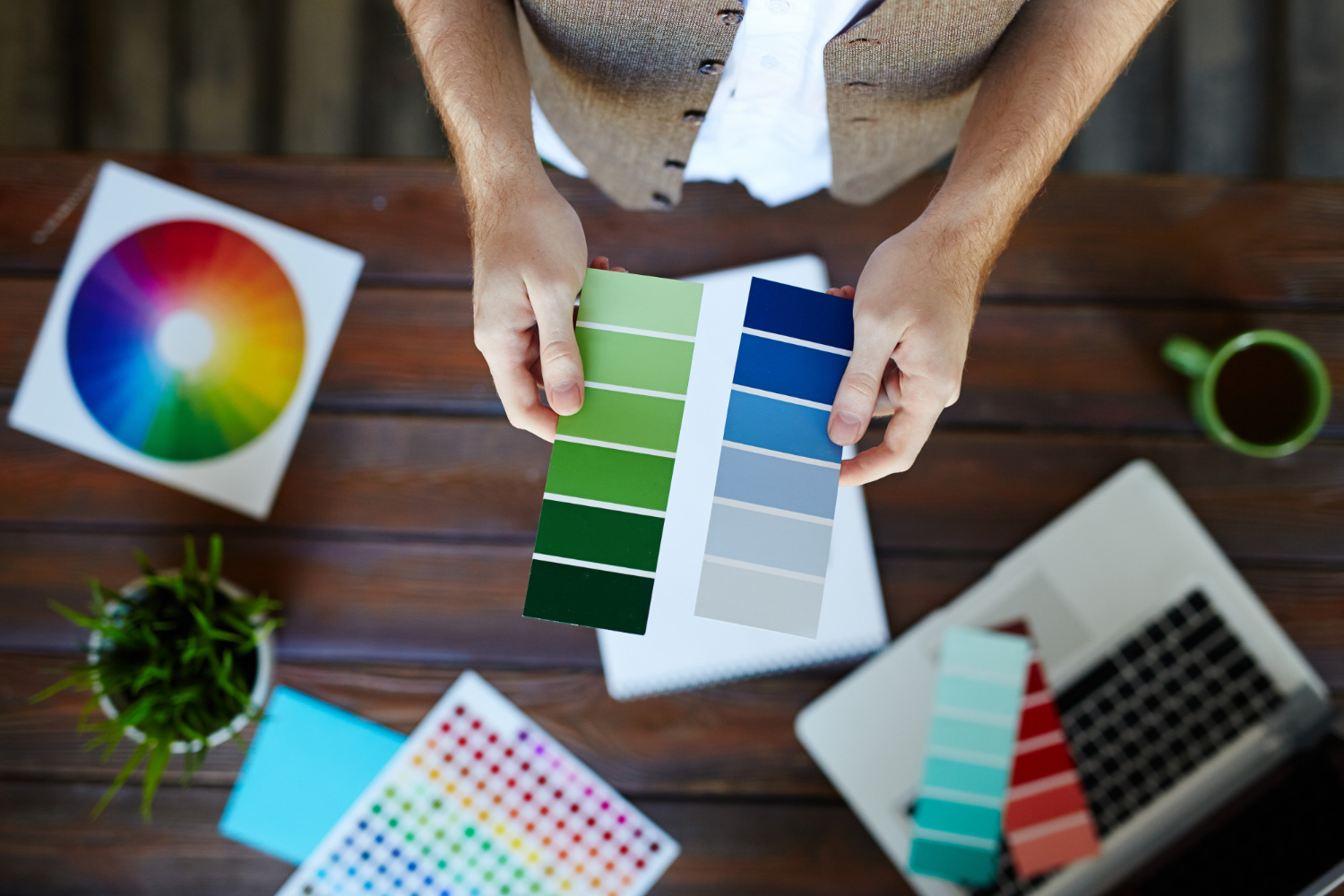
Cool hues like pale blues, soft greens, and light grays are associated with calm, clarity, and relaxation. These shades work beautifully in:
- Bedrooms
- Bathrooms
- Home offices
They create a spa-like feel that helps buyers imagine a peaceful, restful environment. Cool colors can also visually expand smaller spaces by reflecting more light.
Accent Colors Add Personality Without Overwhelming Buyers
Accent walls and subtle pops of color can help a home stand out—if used correctly. The key is moderation. Strategic accents work best in:
- Entryways
- Kitchen islands
- Fireplace walls
- Powder rooms
Popular buyer-friendly accent shades include deep navy, charcoal, sage green, and muted terracotta. These tones add depth and character without overpowering the space.
Exterior Colors Influence First Impressions
Curb appeal begins with color. Exterior shades set expectations before buyers even walk in the door. The most market-friendly exterior palettes include:
- Soft grays
- Crisp whites
- Navy or slate blues
- Earth-tone browns
- Charcoal blacks
Together with trim and front-door colors, the exterior palette can signal modern, traditional, coastal, or farmhouse style—instantly telling buyers what to expect.
Color Mistakes That Turn Buyers Away
Some colors can distract or overwhelm buyers, including:
- Bold reds
- Bright yellows
- Neon or high-saturation hues
- Outdated browns or dark beiges
- Heavy accent colors in small rooms
When in doubt, sellers should err on the side of clean, neutral, and timeless. Buyers want to feel like they’re stepping into a fresh, move-in-ready home—not a project.
How Sellers Can Use Color Theory Strategically
To maximize appeal:
- Repaint high-traffic rooms with buyer-friendly neutrals
- Use cool tones in private spaces for a calming effect
- Add simple, tasteful accent colors for depth
- Keep exterior colors modern and cohesive
- Coordinate trim, flooring, and lighting for a unified look
A thoughtful color palette helps buyers interpret the home easily, connect emotionally, and picture their future there.
Final Thoughts
Color doesn’t just transform a space—it transforms the buyer experience. When sellers apply color theory intentionally, they create an emotional roadmap that guides buyers through the home with comfort, confidence, and clarity. The right shades can elevate perceived value, strengthen first impressions, and ultimately help a home sell faster and more competitively.