

Check out this article next
For generations, real estate’s golden rule has been simple: location, location, location. Proximity to work, short commutes, and easy access to business districts shaped where people lived and how neighborhoods grew.
But in 2026, the rise of remote and hybrid work has rewritten that rule entirely.
Today’s buyers aren’t narrowing their searches to a tight radius around the office. Instead, they’re expanding outward—sometimes dramatically—in search of space, value, lifestyle, and flexibility. The result is a completely new understanding of what “location” really means in modern real estate.
This shift is transforming buyer behavior, elevating previously overlooked communities, and giving sellers more opportunities than ever before.
What Is the Remote Work Radius?
The Remote Work Radius refers to the new geographic freedom buyers gain when daily commuting is no longer a requirement. Instead of being tied to a 10–20 mile range around the workplace, buyers now explore areas:
- 30, 50, or even 100 miles away
- In neighboring towns, counties, or rural markets
- Near outdoor recreation, schools, or lifestyle amenities
- That offer more home for the money
Location is no longer defined by workplace proximity—it's defined by personal priorities.
Why the Remote Work Radius Is Expanding in 2026
1. Hybrid Work Has Become the Norm
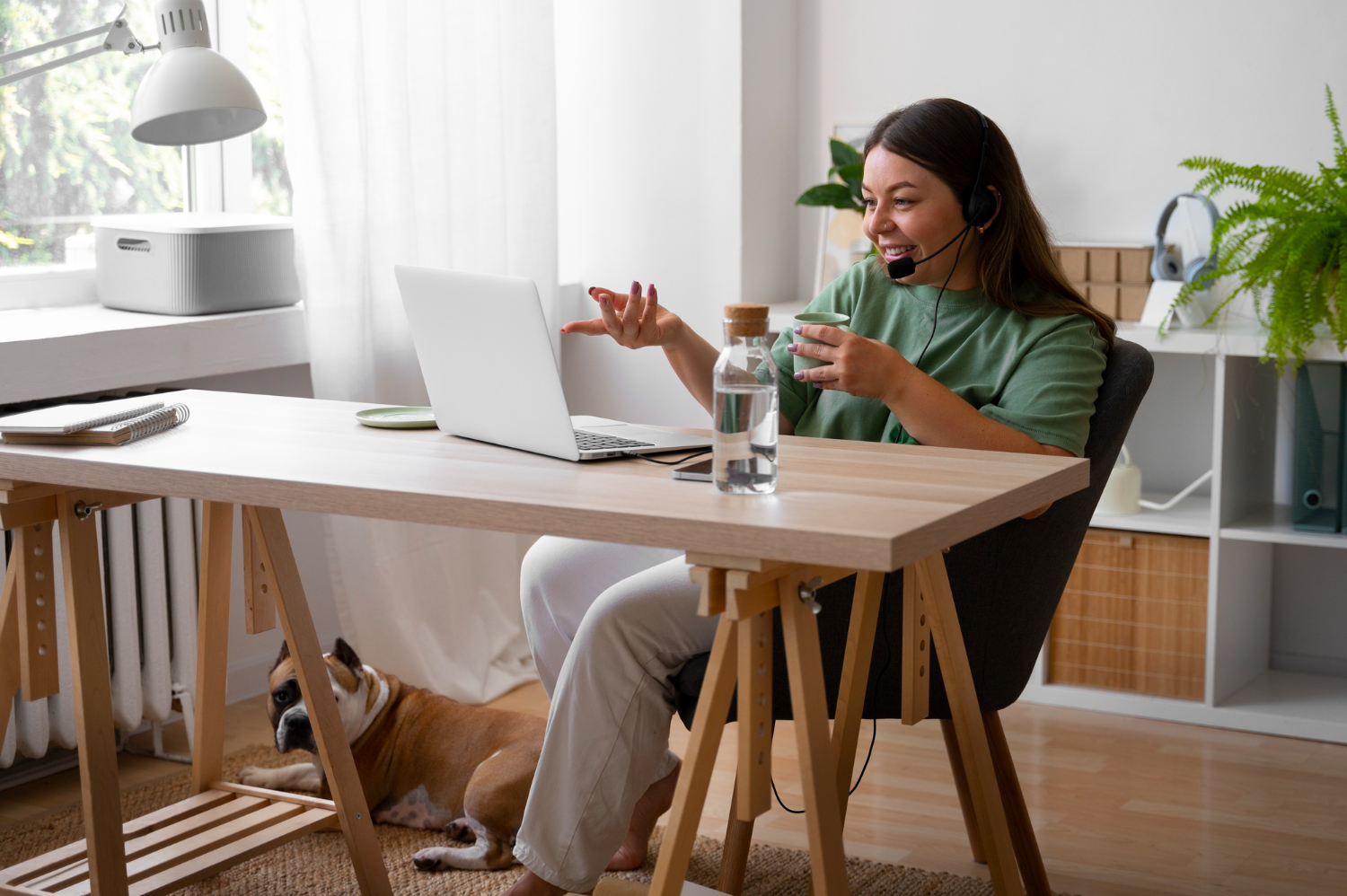
Even when buyers still report to the office, most only commute:
- A couple of times per week
- For select meetings
- Or on flexible schedules
This reduces the emotional and financial impact of distance, opening the door to communities that once felt out of reach.
2. Lifestyle Is a Bigger Priority Than Convenience
Buyers want homes that support:
- Wellness
- Family life
- Affordability
- Outdoor access
- Personal space
- Privacy and quiet
If a larger home with better features is available farther out, they’re willing to expand their search radius to get it.
3. Affordability Is Driving Exploration
Inflation and fluctuating mortgage rates have pushed many buyers beyond high-priced metro cores. By expanding their search:
- They gain more square footage
- They access newer construction
- They find more homes in their price range
- They enjoy a better cost-to-value ratio
A slightly longer commute feels like a fair trade for long-term financial comfort.
4. Technology Has Removed Barriers
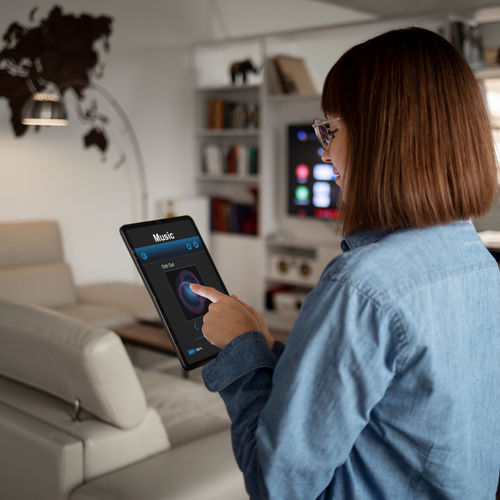
Reliable internet, smart-home setups, and AI-powered productivity tools allow buyers to work effectively from almost anywhere. As long as connectivity is strong, location becomes flexible.
How This Trend Is Reshaping Real Estate
1. Suburban and Rural Markets Are Booming
Areas once overlooked due to distance are now seeing rapid growth as buyers prioritize space and affordability.
2. Urban Markets Are Evolving
City centers still appeal—but not for the reasons they used to. Entertainment, culture, and walkability take priority over work proximity.
3. Home Features Matter More Than Zip Codes
Buyers now choose based on:
- Home offices
- Bonus rooms
- Outdoor living
- Larger lots
- Community amenities
“Living well” outweighs “living close.”
What Sellers Should Highlight in a Remote Work Radius Market
If you’re selling a home outside traditional commuter zones, this trend works in your favor. Here’s how to maximize your listing’s appeal:
1. Showcase Work-From-Home Functionality
Stage or photograph:
- Offices
- Flex rooms
- Loft workspaces
- Finished basements
- Good natural lighting
- Strong Wi-Fi coverage
Buyers want to see productivity potential.
2. Emphasize Lifestyle Benefits Over Location
Highlight features such as:
- Parks and trails
- Community activities
- Quiet streets
- Nearby schools
- Local dining and entertainment
- Family-friendly amenities
Lifestyle sells more than proximity.
3. Communicate Value Clearly
Show buyers what they gain by expanding their search:
- More square footage
- Better finishes
- Larger outdoor spaces
- Newer construction
- Lower cost of living
Value-conscious buyers appreciate transparency.
4. Use Strong Digital Marketing
Remote and hybrid workers shop online first. Maximize visibility with:
- Social media tours
- Vertical video content
- Drone neighborhood footage
- Virtual walkthroughs
- AI-enhanced listing descriptions
Digital-first exposure leads to more qualified buyers.
The Bottom Line
The Remote Work Radius has redefined what “location” means in real estate. Buyers in 2026 aren’t tethered to the office—they’re driven by lifestyle, affordability, flexibility, and home features that support the way they actually live.
Homes outside traditional commute zones now have the opportunity to shine, and sellers who understand this shift can capture a larger and more motivated buyer pool.
In today’s market, “location” is no longer about distance—it’s about living well.