

Check out this article next
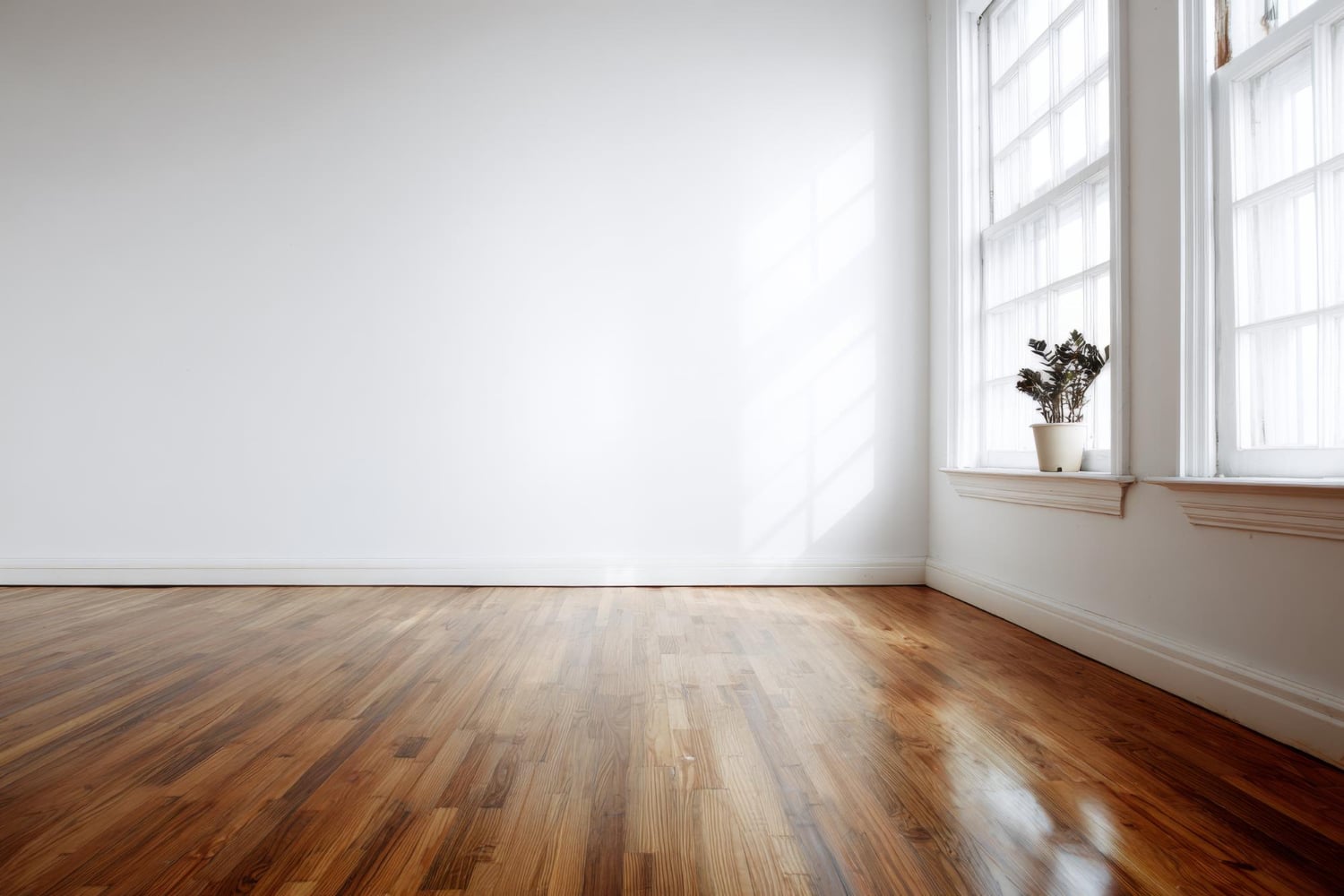
Many homeowners assume empty rooms will make their house feel larger when it’s listed for sale.
But online, the opposite often happens.
Completely vacant rooms can actually look smaller, colder, and less inviting in listing photos — especially when buyers are scrolling quickly through homes online. Without furniture, scale, warmth, and visual context, buyers often struggle to understand how a room functions or how spacious it truly is.
In today’s digital-first real estate market, presentation matters more than ever. If buyers can’t emotionally connect with a home online, they may skip the listing before ever scheduling a showing.
That’s why understanding how empty rooms affect buyer perception can make a major difference when preparing a home for sale.
Why Empty Rooms Look Smaller in Listing Photos
It may sound strange, but furniture often helps rooms feel larger online.
Here’s why:
Buyers Need Visual Reference Points
Furniture helps buyers understand the scale of a room.
Without a couch, bed, dining table, or desk, many buyers subconsciously lose perspective. A completely empty room can feel awkward, undefined, or smaller than it really is.
For example:
- A staged king bed shows how large a bedroom truly is
- A sectional sofa demonstrates living room proportions
- A dining table helps buyers understand flow and functionality
Without those visual anchors, rooms can feel harder to interpret online.
Empty Spaces Feel Emotionally Cold
Today’s buyers shop emotionally first.
They want to picture:
- Relaxing in the living room
- Hosting family dinners
- Working from home
- Enjoying coffee in the breakfast nook
- Entertaining guests outdoors
Vacant rooms often feel sterile and disconnected emotionally.
Even if the home is beautiful in person, empty spaces can appear flat or lifeless in photos.
Online Browsing Happens Fast
Modern buyers scroll through listings quickly on:
- Zillow
- Realtor.com
- Redfin
- MLS websites
You may only have a few seconds to grab attention.
If empty rooms feel cold, confusing, or smaller than expected, buyers may continue scrolling without exploring the rest of the listing.
Photography Challenges With Vacant Homes
Empty homes are often harder to photograph effectively.
Without furniture and decor:
- Rooms may echo visually
- Corners can appear darker
- Ceilings may feel taller than the room feels wide
- Blank walls dominate photos
- Depth perception becomes weaker
This can make even large spaces feel less impressive online.
Why Staged Homes Often Sell Faster
Professional staging helps buyers emotionally connect with a property.
Staged homes typically:
- Photograph better
- Feel more welcoming
- Show room functionality clearly
- Highlight layout strengths
- Create stronger first impressions
Many buyers also perceive staged homes as:
- Better maintained
- More modern
- More move-in ready
In competitive markets, these small perception shifts can influence both buyer interest and offer strength.
You Don’t Always Need Full Professional Staging
The good news is you don’t necessarily need to fully furnish every room with luxury staging.
Even simple improvements can dramatically improve online presentation.
Simple Ways to Make Empty Rooms Feel Larger and More Inviting
Add Minimal Furniture
A few carefully selected pieces can create scale and warmth without overcrowding the room.
Examples include:
- A bed frame and nightstands
- A sofa and coffee table
- A dining table with chairs
- A desk in a flex space
Minimal staging often works better than overfurnishing.
Use Light-Colored Decor
Bright, neutral tones help rooms feel:
- Larger
- Cleaner
- More open
- More modern
Improve Lighting
Natural light is critical for online listing performance.
Open blinds, clean windows, and use warm lighting when needed.
Add Texture and Warmth
Simple additions like:
- Rugs
- Pillows
- Artwork
- Plants
- Throws
can make rooms feel more comfortable and visually balanced.
Define the Purpose of Every Room
Buyers connect better when they immediately understand how a room can function.
An empty bonus room may confuse buyers.
But a staged home office, gym, or guest room creates clarity and emotional connection.
Virtual Staging Is Another Option
Virtual staging has become increasingly popular in modern real estate marketing.
Using digital technology, agents can add realistic furniture and decor to listing photos without physically staging the property.
Virtual staging can:
- Improve online engagement
- Help buyers visualize layouts
- Make listings feel more polished
- Reduce staging costs
However, high-quality virtual staging is important. Poor editing or unrealistic furniture can hurt credibility.
The First Few Seconds Matter Most
The online home search process is driven by attention.
Buyers scroll quickly and make fast emotional decisions based on visuals alone.
That means every photo matters.
If rooms feel too empty, too dark, or difficult to understand, buyers may move on before learning what makes the home special.
The goal is not simply to show empty square footage.
The goal is to help buyers imagine a future there.
How Better Presentation Impacts Showings and Offers
Homes with stronger online presentation often generate:
- More clicks
- More saves
- More showing requests
- More buyer excitement
- Faster sales
- Stronger offers
In today’s competitive housing market, presentation can directly influence perceived value.
Final Thoughts
Empty homes may seem simpler to sell, but online they often create unexpected challenges. Without furniture, warmth, or visual scale, rooms can appear smaller and less inviting to buyers scrolling through listings quickly.
That’s why staging, lighting, photography, and thoughtful presentation play such a major role in modern real estate marketing.
If you’re preparing to sell your home, creating spaces that feel functional, welcoming, and visually engaging can help your listing stand out from the competition.
Because online, buyers aren’t just evaluating square footage.
They’re deciding whether the home feels worth imagining themselves in.