

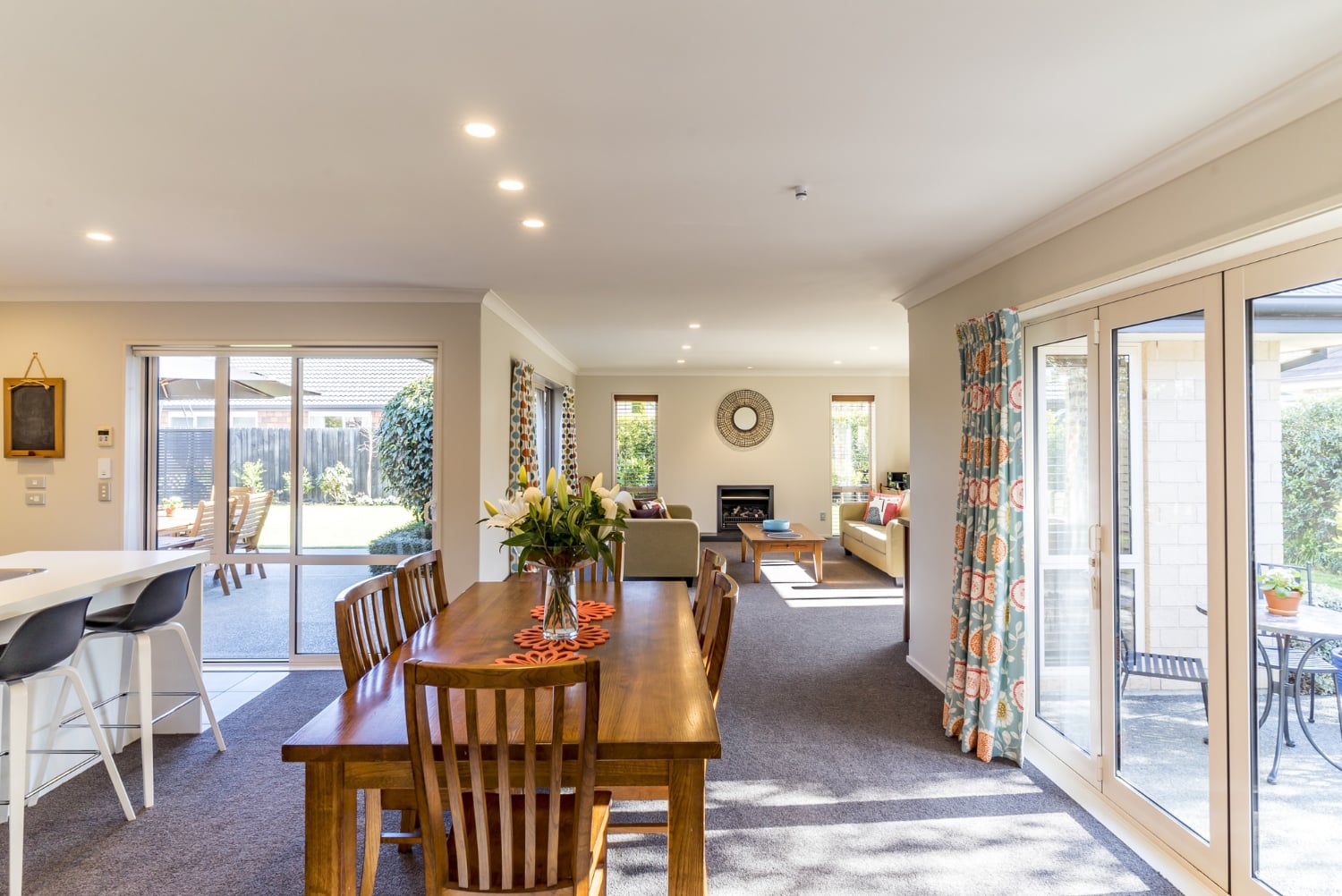
Check out this article next
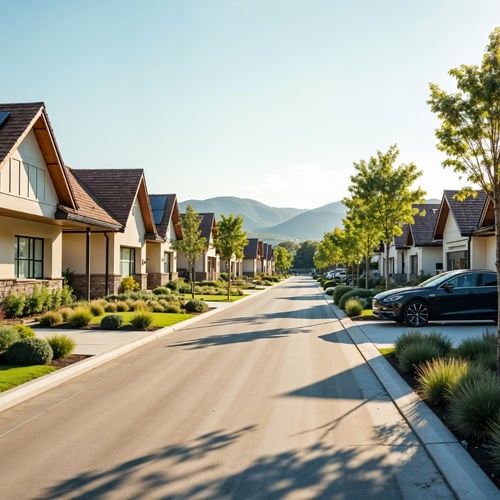
For years, open concept floor plans dominated homebuyer wish lists. Large, flowing spaces that combined kitchens, dining areas, and living rooms were considered the gold standard of modern home design. Builders embraced the trend, sellers highlighted it in listings, and buyers actively sought it out.
But buyer preferences are evolving.
Today's homebuyers are increasingly prioritizing privacy, flexibility, and functional separation over expansive open spaces. While open concept living remains popular in many markets, a growing number of buyers are looking for homes that offer quiet spaces, dedicated rooms, and greater personal privacy.
So what's driving this shift, and what does it mean for homeowners and sellers?
The Rise of Multi-Purpose Living
One of the biggest factors influencing buyer preferences is how people use their homes today.
A home is no longer just a place to eat, sleep, and relax. For many households, it now serves as:
- A workplace
- A classroom
- A fitness center
- An entertainment space
- A gathering place for family and friends
As homes take on more roles, buyers are realizing that completely open layouts can make it difficult for multiple people to use the home comfortably at the same time.
Dedicated rooms provide flexibility and allow family members to engage in different activities without constant distractions.
Remote Work Has Changed Buyer Priorities
The rise of remote and hybrid work has permanently altered how buyers evaluate floor plans.
Many professionals now require:
- Home offices
- Quiet workspaces
- Meeting-friendly environments
- Areas free from household noise
In an open concept layout, background sounds from the kitchen, television, or family activities can create challenges throughout the workday.
As a result, buyers increasingly value homes with enclosed offices, flex rooms, dens, or separate living areas.
Privacy Creates Better Functionality
While open floor plans promote togetherness, they often limit privacy.
Today's buyers are seeking a balance between connected spaces and personal retreats.
Features that are becoming increasingly desirable include:
- Split-bedroom floor plans
- Private home offices
- Bonus rooms
- Separate family rooms
- Guest suites
- Finished basements
- Media rooms
These spaces provide flexibility while allowing family members to enjoy personal time when needed.
Noise Control Matters More Than Ever
One common complaint about open concept homes is noise.
Without walls to separate rooms, sounds travel easily throughout the home.
This can create challenges when:
- Someone is working remotely
- Children are studying
- Family members have different schedules
- Guests are visiting
- Multiple activities are happening simultaneously
Homes with more defined spaces often provide a quieter and more comfortable living experience.
Buyers Want Better Work-Life Separation
The blending of home and work has created a new appreciation for boundaries.
When workspaces are integrated into open living areas, it can be difficult to mentally disconnect at the end of the day.
Dedicated rooms help establish separation between professional responsibilities and personal life, something many buyers now view as essential rather than optional.
This trend is especially noticeable among buyers who spend significant time working from home.
Energy Efficiency Is Becoming a Consideration
Open concept homes often require heating and cooling larger shared spaces.
Some buyers are recognizing that homes with more defined rooms may offer advantages when it comes to:
- Temperature control
- Energy efficiency
- Utility costs
- Comfort preferences
While energy savings may not be the primary reason for choosing a more private layout, it can be an added benefit for budget-conscious homeowners.
Entertaining Styles Are Changing
Open floor plans were originally celebrated for their ability to support entertaining.
While many buyers still appreciate this feature, entertaining habits have evolved.
Instead of hosting large gatherings, many homeowners now prefer smaller, more intimate social experiences.
Separate dining rooms, conversation spaces, and private outdoor areas can sometimes provide a more comfortable setting for modern entertaining than one large open room.
Flexibility Is the New Luxury
Perhaps the biggest shift in buyer behavior is the growing emphasis on flexibility.
Rather than focusing solely on square footage, buyers are evaluating how well a home's layout adapts to changing needs.
Flexible floor plans allow homeowners to create:
- Home offices
- Hobby rooms
- Playrooms
- Guest accommodations
- Fitness spaces
- Study areas
Homes that offer multiple private spaces often provide greater long-term value because they can evolve alongside a family's lifestyle.
What This Means for Sellers
If you're preparing to sell your home, don't assume that an open floor plan is your only selling point.
Buyers are increasingly interested in:
- Functional room layouts
- Home office potential
- Quiet spaces
- Flexible-use rooms
- Privacy-enhancing features
When marketing your property, highlight spaces that offer separation, versatility, and comfort rather than focusing exclusively on openness.
Even homes with traditional floor plans can attract strong buyer interest when their functionality is clearly communicated.
Final Thoughts
Open concept living isn't disappearing, but buyer priorities are changing. As remote work, flexible lifestyles, and multi-purpose living continue to shape housing preferences, many buyers are placing greater value on privacy and dedicated spaces.
Today's most sought-after homes often strike a balance between connection and separation, offering open gathering areas alongside private retreats that support modern lifestyles.
For buyers, this trend creates more options. For sellers, it presents an opportunity to showcase the practical benefits of thoughtful home design and functional living spaces.