

Check out this article next
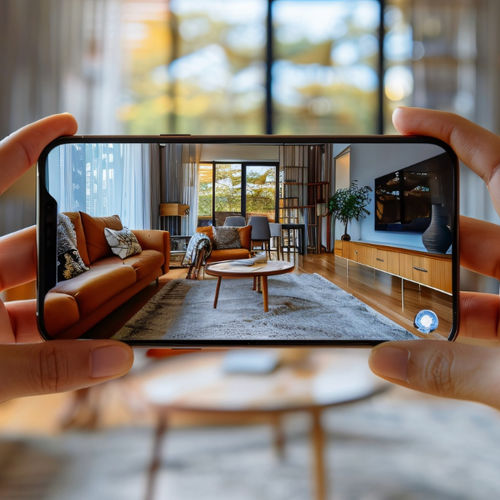
In today’s fast-moving market, many sellers assume that if a buyer doesn’t make an offer after the first showing, the opportunity is gone. But experienced agents know something powerful happens more often than people realize: the second showing effect.
This is the moment when a buyer returns to a home — and sees it differently. Not just as a listing… but as a life.
If you’re preparing to sell, understanding why buyers fall in love the second time around can help you price, present, and position your home more strategically.
What Is the “Second Showing Effect”?
The “second showing effect” refers to the psychological shift that happens when buyers revisit a property after their initial tour.
During the first showing, buyers are often:
- Comparing multiple homes
- Evaluating price per square foot
- Noticing flaws or needed repairs
- Assessing layout and functionality
- Emotionally guarded
On the second visit, the mindset changes.
Instead of analyzing, buyers begin imagining.
They start visualizing furniture placement, hosting holidays, morning routines, and backyard gatherings. The home becomes less about features — and more about feelings.
And that shift often leads to offers.
Why the First Showing Is Usually Logical
Buyers typically walk into a first showing with a checklist mentality. They’re asking:
- Does it fit our budget?
- How old is the roof?
- Is the kitchen updated?
- How does this compare to the last house we saw?
This phase is analytical. It’s about elimination.
But buying a home isn’t purely logical. It’s emotional — especially when it comes to long-term lifestyle decisions.
Why the Second Showing Is Emotional
By the time a buyer schedules a second showing, several things have already happened:
1. The home made an impression.
2. It stood out from other properties.
3. They kept thinking about it.
The second visit often includes spouses, parents, or decision-makers who weren’t present the first time. It may also be longer and more relaxed.
This is when buyers start asking different questions:
- Where would we put the Christmas tree?
- Can we see the backyard at sunset?
- How does the primary bedroom feel at night?
- Would this work for our family long term?
The second showing is about confirmation — not comparison.
The Psychology Behind Falling in Love with a Home
There are several psychological factors at play:
1. Familiarity Breeds Comfort
The more exposure someone has to a space, the more comfortable it feels. A second visit removes the “newness” and allows buyers to focus on living there rather than evaluating it.
2. Emotional Attachment Builds Over Time
Buyers may leave the first showing unsure — but find themselves thinking about the home later. That mental return visit is often what prompts the physical one.
3. Scarcity Increases Desire
If buyers know others are viewing the property, urgency increases. When they come back, they’re no longer just browsing — they’re protecting an opportunity.
What Sellers Should Do to Leverage the Second Showing Effect
If your home is getting second showings, that’s a strong signal of interest.
Here’s how to maximize it:
Keep the Home Show-Ready
The second showing is not the time to relax staging or cleanliness. Buyers will notice changes — especially negative ones.
Create an Experience
Lighting, scent, and temperature matter. Open curtains. Turn on lamps. Keep the space comfortable. Buyers should feel at ease lingering.
Highlight Lifestyle Features
If you have a patio, pool, or flex space, make it obvious how it’s used. The second showing is when lifestyle becomes the selling point.
Be Patient
Not every serious buyer writes an offer after the first tour. Some of the strongest offers come after reflection and return visits.
Why Fewer First Showings Can Still Lead to Strong Offers
It’s not always about volume.
A home that generates two strong second showings may be in a better position than a home that gets 20 casual first visits with no return interest.
Second showings often indicate:
- Higher intent
- Emotional connection
- Serious decision-making
As a seller, this is a positive sign.
The Bigger Lesson for Sellers
The “second showing effect” proves that real estate is both logical and emotional.
Buyers may analyze square footage and upgrades — but they purchase based on how a home makes them feel.
If you’re preparing to sell, the goal isn’t just to attract traffic. It’s to create a space buyers want to come back to.
Because when they come back, they’re closer to making it theirs.
Thinking About Selling?
If you’re wondering how to position your home to generate strong second showings — and serious offers — we can help.
From pricing strategy to presentation and marketing, we focus on attracting buyers who don’t just tour your home… they picture their future in it.
Contact us today for a personalized home selling strategy designed to maximize both interest and emotional impact.