

Check out this article next
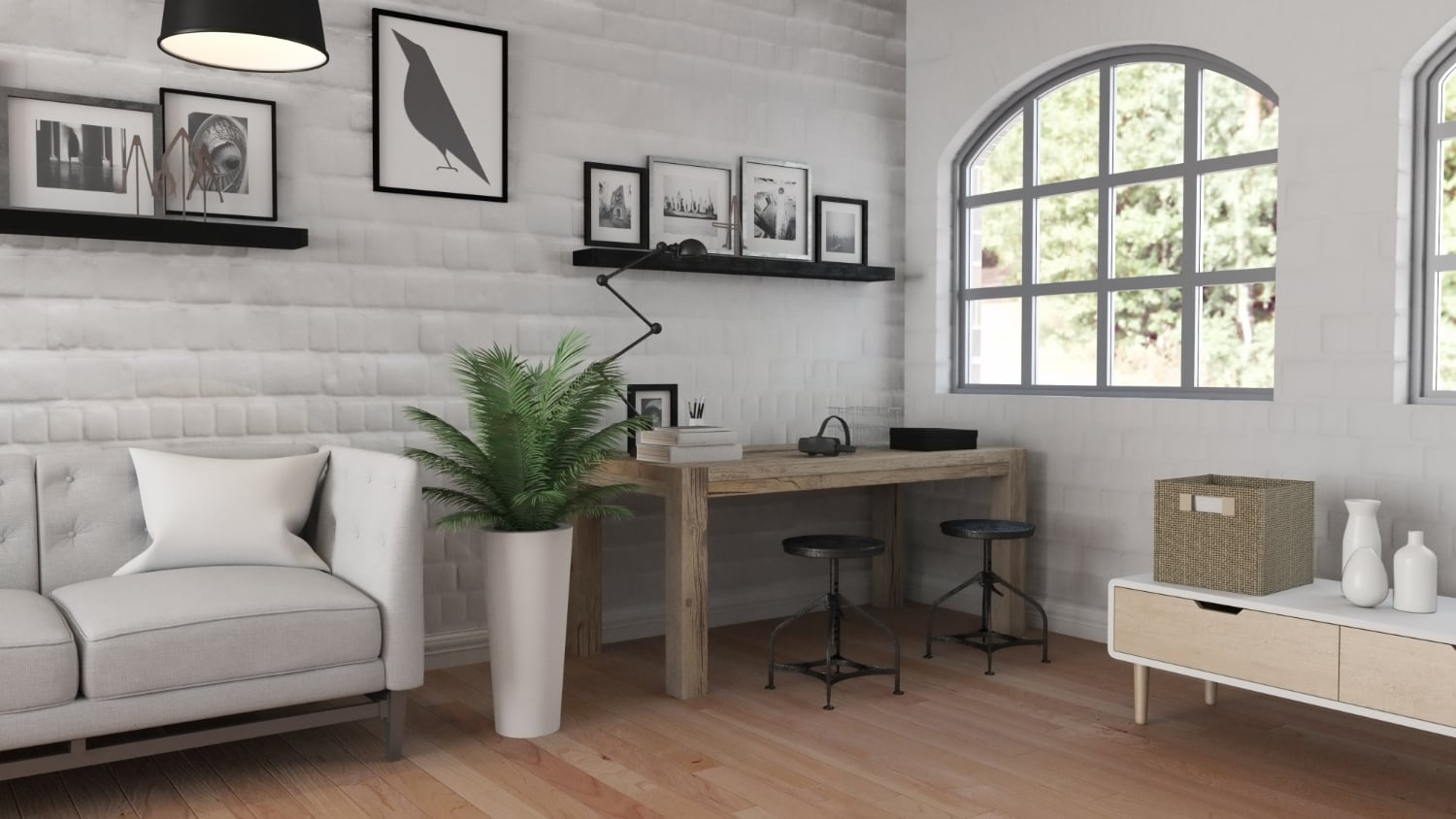
The way people live in their homes has changed—and home design is evolving right along with it.
Gone are the days when formal dining rooms and rarely used sitting areas were considered must-haves. Today’s buyers are prioritizing something different:
Flexibility. Function. Adaptability.
Welcome to the era of the hybrid home, where flex spaces are replacing traditional rooms and redefining what buyers truly value.
What Is a Hybrid Home?
A hybrid home is designed to serve multiple purposes within the same space.
Instead of rigid, single-use rooms, today’s homes feature areas that can adapt to changing needs, such as:
- Home offices that double as guest rooms
- Dining areas that function as workspaces
- Living rooms that transform into entertainment zones
- Bonus rooms that evolve with lifestyle changes
This shift reflects how modern homeowners actually use their space day-to-day.
Why Formal Rooms Are Losing Appeal
Traditional formal spaces—like dining rooms and formal living rooms—were once symbols of luxury and structure.
But today, many buyers see them as:
- Underutilized
- Too rigid in function
- Difficult to integrate into everyday life
In a world where lifestyles are more dynamic, single-purpose rooms often feel like wasted square footage.
The Rise of Flex Spaces in Real Estate
Flex spaces are quickly becoming one of the most desirable features in modern homes.
Why? Because they offer something buyers increasingly want: options.
A flex space can be:
- A home office during the day
- A workout area in the evening
- A guest room when needed
This adaptability adds real, practical value to a home.
What’s Driving This Shift
1. Remote and Hybrid Work
More people are working from home—at least part of the time.
This has created a need for:
- Dedicated workspaces
- Quiet, functional areas
- Rooms that can transition between work and home life
2. Changing Lifestyles
Today’s homeowners prioritize how a home supports their daily routine.
They want spaces that:
- Adjust to their schedule
- Serve multiple purposes
- Make life easier—not more complicated
3. Smarter Use of Square Footage
Buyers are becoming more intentional about how space is used.
Instead of asking:
“How many rooms does this home have?”
They’re asking:
“How useful is this space?”
Why Flex Spaces Increase Home Value
Homes with flexible layouts often feel more valuable—even if they’re not larger.
That’s because they:
- Appeal to a wider range of buyers
- Adapt to different life stages
- Reduce the need for future renovations
- Offer long-term functionality
Flexibility is becoming a major driver of perceived value.
How Sellers Can Highlight Flex Spaces
If your home includes flexible areas, showcasing them properly can make a big difference.
Here’s how:
Stage with Purpose
Show how a space can be used:
- Set up a desk to suggest a home office
- Add a daybed for a guest room feel
- Create a workout corner or hobby space
Use Clear Listing Language
Highlight terms like:
- “Flex space”
- “Bonus room”
- “Multi-functional area”
- “Home office potential”
These keywords align with what buyers are actively searching for.
Emphasize Lifestyle Benefits
Don’t just describe the room—explain how it fits into everyday life.
Help buyers visualize how the space works for them.
The Future of Home Design
The hybrid home isn’t a trend—it’s a long-term shift.
As lifestyles continue to evolve, homes that offer flexibility will remain in high demand.
Buyers want spaces that:
- Grow with them
- Adapt to change
- Provide both comfort and function
And homes that deliver on those expectations will continue to stand out in the market.
Final Thoughts
The rise of the hybrid home is changing how buyers define value.
It’s no longer about formal layouts or traditional design—it’s about how well a home works for real life.
Flex spaces are leading that shift, offering versatility, practicality, and long-term appeal.
If you’re thinking about selling, highlighting your home’s flexibility could be the key to attracting more buyers—and stronger offers.