

Check out this article next
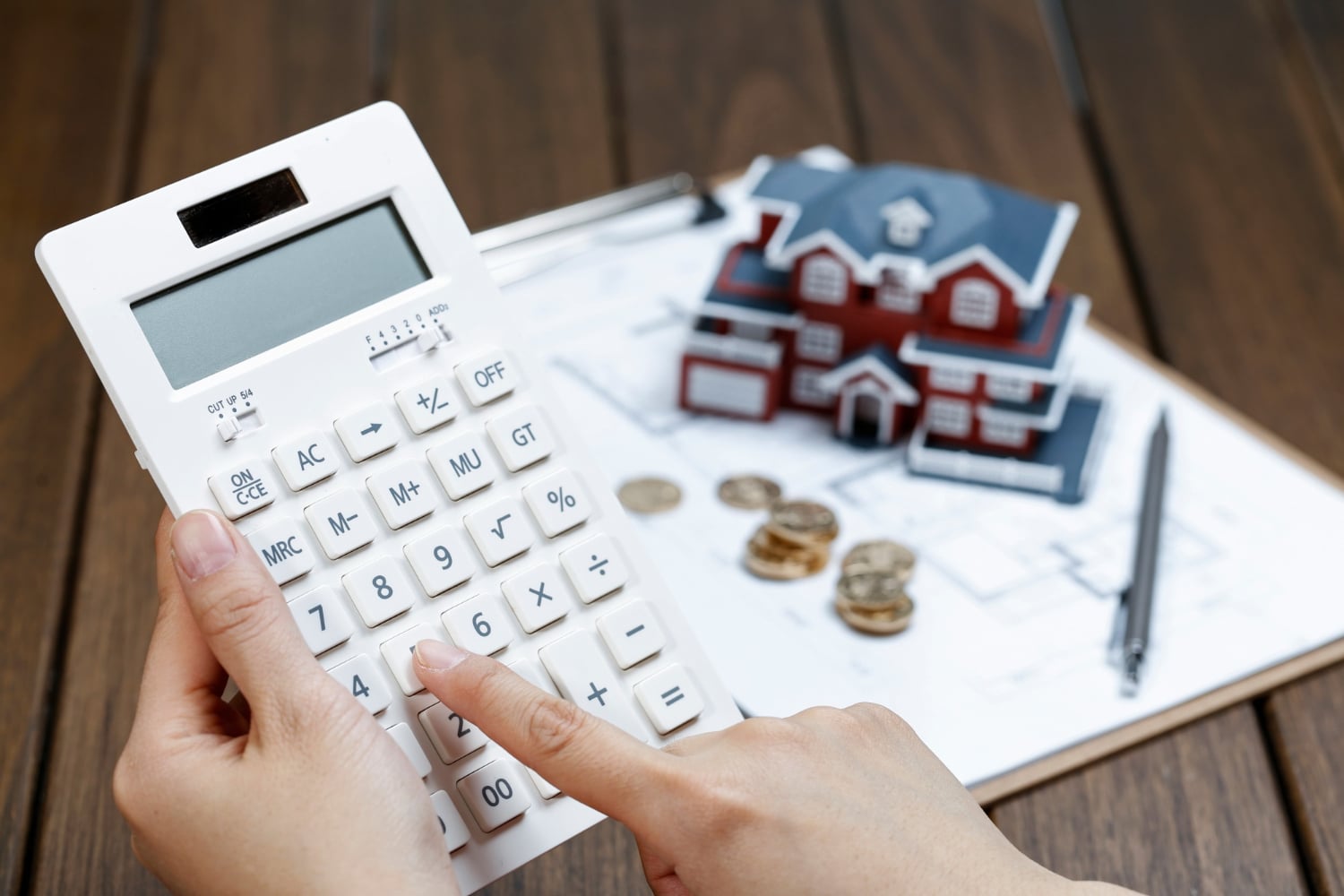
In today’s real estate market, something interesting is happening: homes that are technically “affordable” aren’t always perceived that way by buyers.
Even when a property is priced within market value—or below nearby comparable sales—it can still feel expensive to today’s buyers. This disconnect is known as the perception gap, and it’s becoming one of the most important factors influencing how homes are bought and sold.
Understanding this gap can help both buyers and sellers make smarter decisions, avoid missed opportunities, and navigate pricing strategies more effectively.
What Is the Perception Gap in Real Estate?
The perception gap is the difference between what a home is objectively worth and how buyers emotionally and financially perceive its value.
A home may be:
- Priced correctly based on market data
- Comparable to recent sales
- Considered “affordable” on paper
…but still feel overpriced to buyers.
Why? Because today’s buyers are evaluating homes through a much broader lens than just price.
Why “Affordable” Doesn’t Feel Affordable Anymore
Several factors are shaping how buyers perceive value—and why affordability feels different today.
1. Monthly Payments Matter More Than Ever
Buyers are increasingly focused on monthly affordability rather than purchase price.
Higher interest rates, rising insurance costs, and increased property taxes mean that even moderately priced homes can feel financially overwhelming.
A home that looks affordable at $400,000 may feel expensive once the monthly payment is calculated.
2. Comparison Culture Has Changed Expectations
With platforms like Zillow, Realtor.com, and social media, buyers can instantly compare dozens of homes.
This creates a mindset of:
- “What else can I get for this price?”
- “Why does this home cost more than that one?”
If a listing doesn’t clearly justify its price through condition, upgrades, or location, it can feel overpriced—even if it’s not.
3. Condition Strongly Impacts Perceived Value
Today’s buyers are placing a premium on move-in ready homes.
A property that needs updates—even minor ones—can feel significantly more expensive because buyers mentally add the cost, time, and stress of renovations.
In contrast, a slightly higher-priced home that’s fully updated may feel like the better value.
4. Emotional Expectations Play a Bigger Role
Buying a home is both a financial and emotional decision.
If a home doesn’t “feel right,” buyers may perceive it as overpriced—even if it checks all the logical boxes.
Factors that influence emotional perception include:
- Layout and flow
- Natural light
- Design and finishes
- Overall presentation
This is why two similarly priced homes can receive very different reactions from buyers.
The Role of Presentation in Pricing Perception
How a home is presented online and in person has a major impact on how buyers perceive its value.
Small details can shift perception significantly:
- Professional photography vs. low-quality images
- Clean, staged interiors vs. cluttered spaces
- Bright, inviting rooms vs. dark or outdated areas
In today’s digital-first market, buyers often form their opinion before ever stepping inside. If the listing doesn’t create a strong first impression, the price can immediately feel too high.
Pricing Strategy vs. Pricing Psychology
There’s a difference between pricing based on data and pricing based on buyer psychology—and the most successful listings use both.
Data-Driven Pricing
This includes:
- Comparable sales
- Market trends
- Inventory levels
Perception-Driven Pricing
This considers:
- Buyer expectations
- Emotional response
- Competitive positioning
A home priced correctly on paper but poorly positioned in the market may struggle. On the other hand, a well-presented, strategically priced home can create strong demand—even in a competitive market.
How Sellers Can Close the Perception Gap
If you’re selling your home, understanding this gap is key to attracting buyers and achieving strong results.
Focus on First Impressions
Invest in staging, photography, and presentation to ensure your home feels worth the price from the first click.
Highlight Value Clearly
Make sure buyers understand what sets your home apart—whether it’s upgrades, location, or unique features.
Price Strategically
Avoid pricing based solely on what you want. Instead, consider how buyers will perceive the value relative to other listings.
Address Obvious Concerns
If your home needs updates, consider making key improvements or pricing accordingly to reflect that reality.
How Buyers Can Navigate the Perception Gap
For buyers, understanding this concept can help you make better decisions and spot opportunities.
Look Beyond First Impressions
A home that feels “expensive” at first glance may actually be well-priced compared to the market.
Evaluate Total Cost and Potential
Consider not just the current condition, but what the home could become with the right improvements.
Separate Emotion From Strategy
It’s important to trust your instincts—but also to evaluate properties objectively.
Final Thoughts
In today’s real estate market, affordability isn’t just about numbers—it’s about perception.
The gap between what a home is worth and how it feels to buyers is shaping pricing strategies, influencing demand, and determining which homes sell quickly—and which sit.
Whether you’re buying or selling, understanding this perception gap can give you a major advantage.
Because in this market, success isn’t just about pricing a home correctly—it’s about making sure it feels right to the people buying it.