

Check out this article next

The way buyers shop for homes has changed—dramatically.
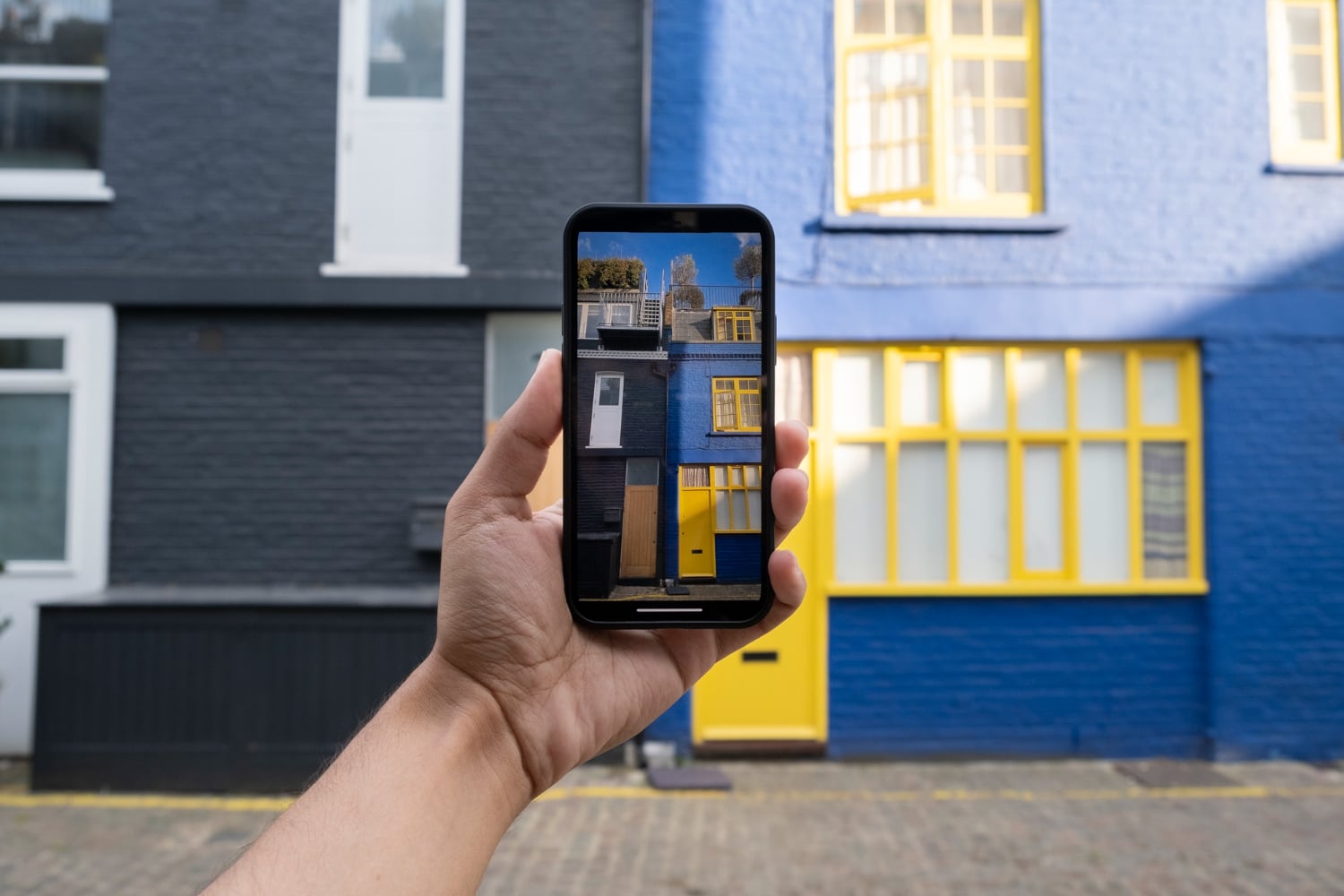
Today, the first showing doesn’t happen at the front door. It happens on a phone screen.
From scrolling through listings on social media to browsing homes on real estate apps, buyers are forming opinions in seconds. That means your home’s “digital curb appeal” is now just as important—if not more important—than its physical curb appeal.
If you’re planning to sell, understanding how to design your listing for mobile-first buyers can be the difference between getting ignored and getting multiple offers.
What Is Digital Curb Appeal?
Digital curb appeal refers to how your home looks online—specifically how it appears on mobile devices where most buyers begin their search.
It includes:
- Listing photos
- Video content
- Headline and description
- Thumbnail image (your “first impression”)
- Overall visual presentation
In today’s market, buyers often decide whether to click on a listing—or scroll past it—in just a few seconds.
Why Mobile-First Listings Matter More Than Ever
The majority of home searches now start on smartphones. Platforms like Zillow, Realtor.com, and social media apps have trained buyers to browse quickly and make snap judgments.
This creates a new reality:
- If your listing doesn’t stand out instantly, it gets skipped
- If your photos don’t grab attention, buyers won’t click
- If your content isn’t optimized for small screens, it loses impact
In short, your listing needs to perform like a piece of digital marketing—not just a property description.
The Power of the First Image
Your first photo is everything.
It’s the thumbnail buyers see while scrolling, and it determines whether they tap on your listing or move on.
To maximize impact:
- Use a bright, high-resolution image
- Choose the most visually appealing angle (often the front exterior or main living space)
- Ensure proper lighting and clean composition
- Avoid clutter, shadows, or distractions
Think of this image as your home’s “cover photo”—it should immediately create interest.
Photography That Stops the Scroll
Professional photography is no longer optional—it’s essential.
But beyond quality, photos need to be optimized for mobile viewing:
Bright and Clean Wins
Dark or overly edited photos can look unclear on smaller screens. Natural light and clean spaces perform best.
Wide but Realistic Angles
Wide-angle shots help show space, but overly distorted images can feel misleading.
Consistency Matters
A cohesive set of photos creates a better viewing experience and keeps buyers engaged as they swipe.
Highlight Lifestyle, Not Just Rooms
Show how the space feels to live in—not just what it looks like. A staged patio or cozy living area can make a strong emotional connection.
Video and Short-Form Content Are Game-Changers
Buyers are increasingly engaging with video content—especially short-form video.
Quick walkthroughs, vertical videos, and social media clips can:
- Increase visibility
- Keep buyers engaged longer
- Create a stronger emotional connection
Video allows buyers to experience flow, layout, and atmosphere in a way photos alone cannot.
Writing Listing Descriptions for Skimmers
Most buyers don’t read every word—they scan.
That means your listing description needs to be:
- Easy to skim
- Broken into short paragraphs
- Focused on key features and benefits
Instead of long blocks of text, highlight:
- Unique selling points
- Upgrades and features
- Lifestyle benefits
- Location advantages
Strong opening lines matter. The first sentence should hook the reader and make them want to keep scrolling.
Social Media Is the New Open House
In many ways, social media has replaced the traditional open house as the first point of discovery.
Platforms like Instagram, Facebook, and TikTok allow listings to reach thousands of potential buyers instantly.
Homes that are marketed effectively on social media often:
- Generate more interest
- Reach buyers outside the local market
- Create a sense of urgency
A strong digital strategy ensures your listing doesn’t just sit—it gets seen.
Small Details That Make a Big Digital Impact
When designing your listing for phone screens, small details can make a huge difference:
- Declutter and depersonalize spaces
- Use neutral tones that photograph well
- Add fresh touches like plants or simple decor
- Ensure every room is well-lit
- Pay attention to vertical framing for mobile viewing
Remember, what looks “fine” in person may not translate well on camera.
What This Means for Sellers
If you’re selling your home, your strategy needs to shift from traditional to digital-first.
To maximize your home’s digital curb appeal:
- Invest in professional photography and video
- Stage your home with the camera in mind
- Work with an agent who understands digital marketing
- Promote your listing across multiple online platforms
The goal isn’t just to list your home—it’s to market it effectively where buyers are actually looking.
Final Thoughts
In today’s real estate market, your home’s first showing happens online—and often on a phone screen.
Buyers are scrolling quickly, making decisions instantly, and focusing on listings that stand out visually and emotionally.
By prioritizing digital curb appeal, you can capture attention, increase engagement, and ultimately drive stronger results when selling your home.
Because in this market, it’s not just about how your home looks in person—it’s about how it performs online.